Cancer genomics · evolution · population differences · ageing
The Wang Laboratory
Augusta University (Medical College of Georgia)Welcome to our lab
The Wang Laboratory
We trace earliest genomic events in aggressive cancers and seek genomic explanations for population disparities in tumour biology.
Principal investigator
Meng Wang, PhD
Assistant Professor
Meng Wang’s research uses sequencing and spatial methods to study early tumour evolution and population‑specific genomic patterns in melanoma and other cancers. He has postdoctoral training from Harvard T.H. Chan School of Public Health and UCSF.
Full profile →Programmes
Current research programmes
01
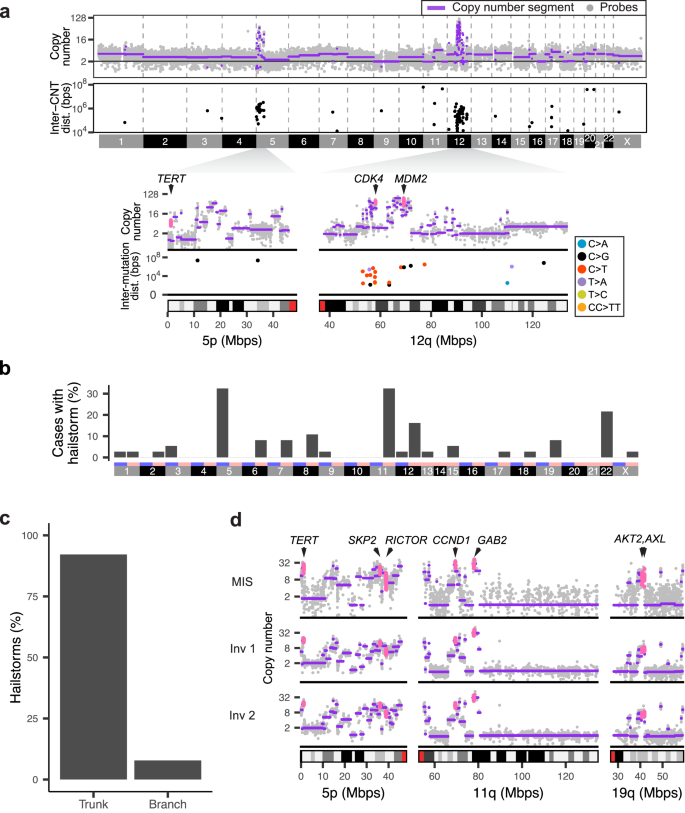
Early evolution and punctuated genomic events in acral melanoma
Why do acral melanomas show early, complex amplifications ('hailstorms') and an order of events distinct from sun‑exposed melanomas?
02
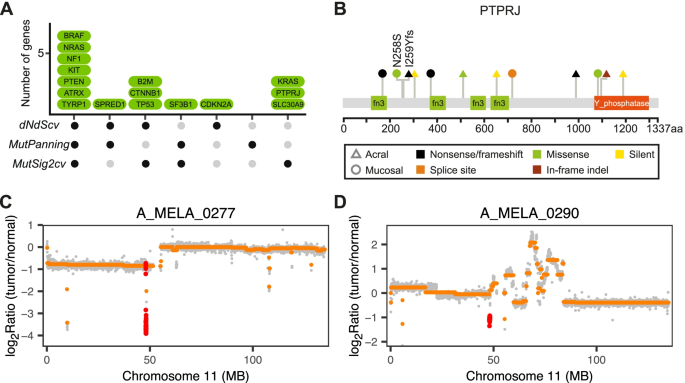
Population and ethnic differences in cancer genomic landscapes
How do mutational processes and driver landscapes differ across populations and contribute to disparities?
03
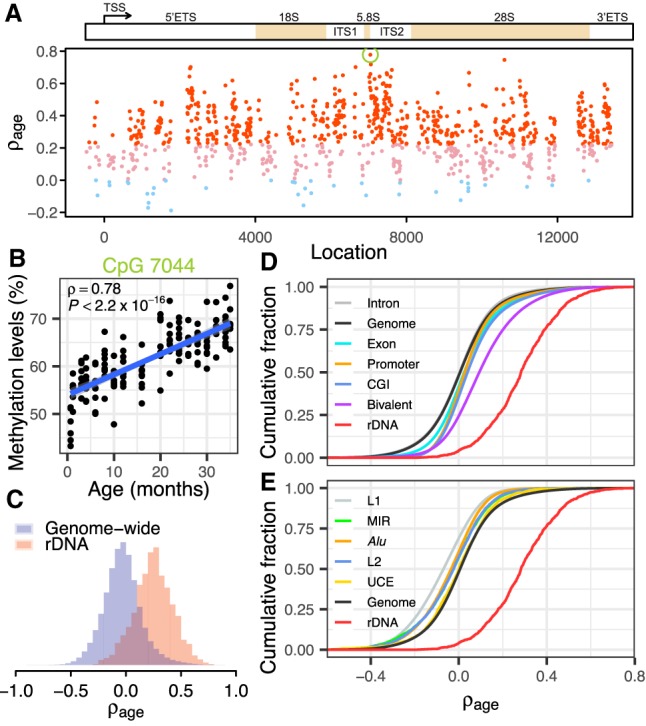
Ribosomal DNA copy number and a conserved ageing clock
Can rDNA copy number changes serve as a conserved marker of biological ageing and how do they impact tumour biology?
04
rDNA copy number dynamics in cancer and nucleolar activity
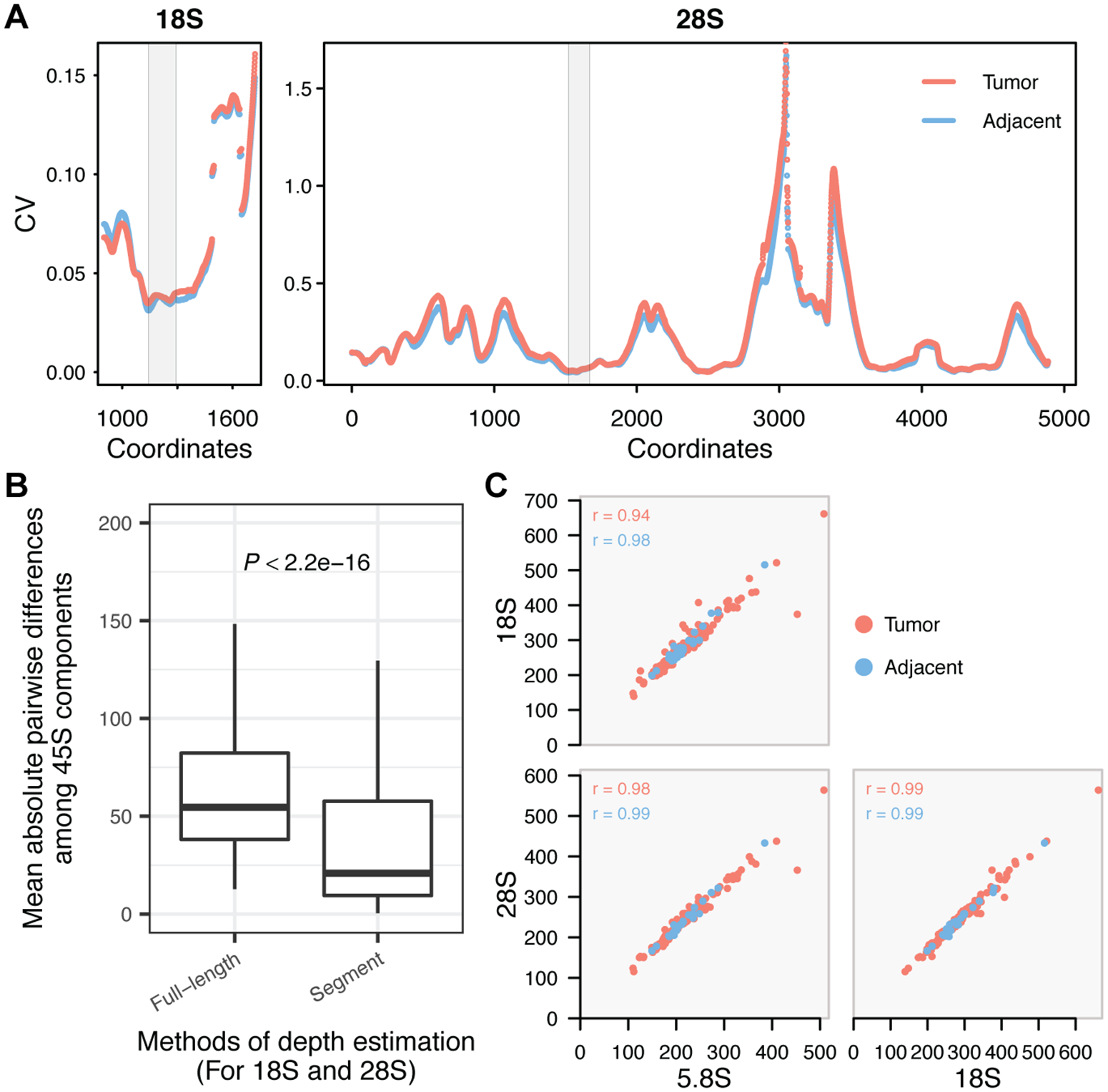
How do 5S and 45S rDNA arrays change in tumours, and what is their relationship with proliferation and genomic context?
Selected publications
Recent and defining work
2024↗2024↗2022↗2020↗2020↗
The genetic evolution of acral melanoma
Nature Communications
Distinct senescence mechanisms restrain progression of dysplastic nevi
PNAS Nexus
Integrated genomic analyses of acral and mucosal melanomas nominate novel driver genes
Genome Medicine
Ganglioneuromas are driven by activated AKT and can be therapeutically targeted with mTOR inhibitors
Journal of Experimental Medicine
Synthetic lethal targeting of TET2‑mutant HSPCs with TOP1‑targeted drugs and PARP1 inhibitors
Leukemia
Join the lab